

Michele Horrigan at Curating Today: Reimagining the Civic
29–30 October 2026
Independent Curators International, New York
Askeaton Contemporary Arts curator Michele Horrigan presents at ‘Curating Today: Reimagining the Civic’ in New York, a conference that brings a global and intergenerational group of arts practitioners together to present an expansive range of curatorial models and offer new possibilities for what curating can do and be.
Curators have historically been understood primarily as exhibition-makers and caretakers of collections within institutional settings. Over the past two decades, however, a parallel definition has gained prominence: the curator as a civic leader, who engages with social and cultural issues through the art of our time. The themes of ’Curating Today’ reflect on major transformations in society, and the role that art and culture play in it: growing social fragmentation, political polarization, and economic precarity; a shift in audience expectations from spectatorship to participation; and declining trust in public institutions and increasing attacks on independent thought.
Around the world, curators have responded to these transformations with new forms of practice, ones that broaden cultural narratives to inspire collective action and foster a sense of belonging, dialogue, learning, and civic engagement. Many of the field's most innovative responses have emerged from curators who are working beyond the traditional boundaries of institutional practice: they are developing new curatorial models, building cultural infrastructures and forms of public engagement.
Speakers include Mary Jane Jacob, Tuan Andrew Nguyen, Riksa Afiaty, Drew Kahuʻāina Broderick, Josh Tengan, Michele Horrigan, Azikiwe Mohammed, Faheem Majeed, Risa Puleo, Brandon Alvendia, Keyna Eleison, Gridthiya Gaweewong, Miguel A. López, Marie Hélène Pereira
For full schedule and booking see ICI website
https://curatorsintl.org/events/26888-conference-curating-today
John Carson
In 2026 and 2027 John Carson works with Askeaton Contemporary Arts to present a series of exhibitions throughout Ireland, debuting new artworks that continue his decades-long investigation into art and society. Carson’s work is an enthusiastic endeavour encompassing strains of conceptual art, the immersive role of popular culture, and a form of storytelling peppered with insightful wit and humour.
See more about his solo exhibition, New Work, at The Golden Thread Gallery Belfast from 12 September to 31 October here. John Carson is supported by Culture Ireland’s Shared Island Touring Production and Platforms Fund and through partnership between Askeaton Contemporary Arts, Golden Thread Gallery and the Border Biennale in Cavan.
Listen to LUMPEN FM’s radio special on John Carson here, recorded on the occasion of the artist’s participation in Tuneful Places, a group exhibition curated by Askeaton Contemporary Arts in Chicago that disrupts and challenges representations of geography, state and capital within an Irish idiom. John is interviewed by Co-Prosperity’s Nick Wylie, delving into American Medley, Carson’s seminal artwork presented publicly for the first time in over forty years. They discuss his travels across the United States in the early 1980s and listen to significant songs that form part of Carson’s artwork.
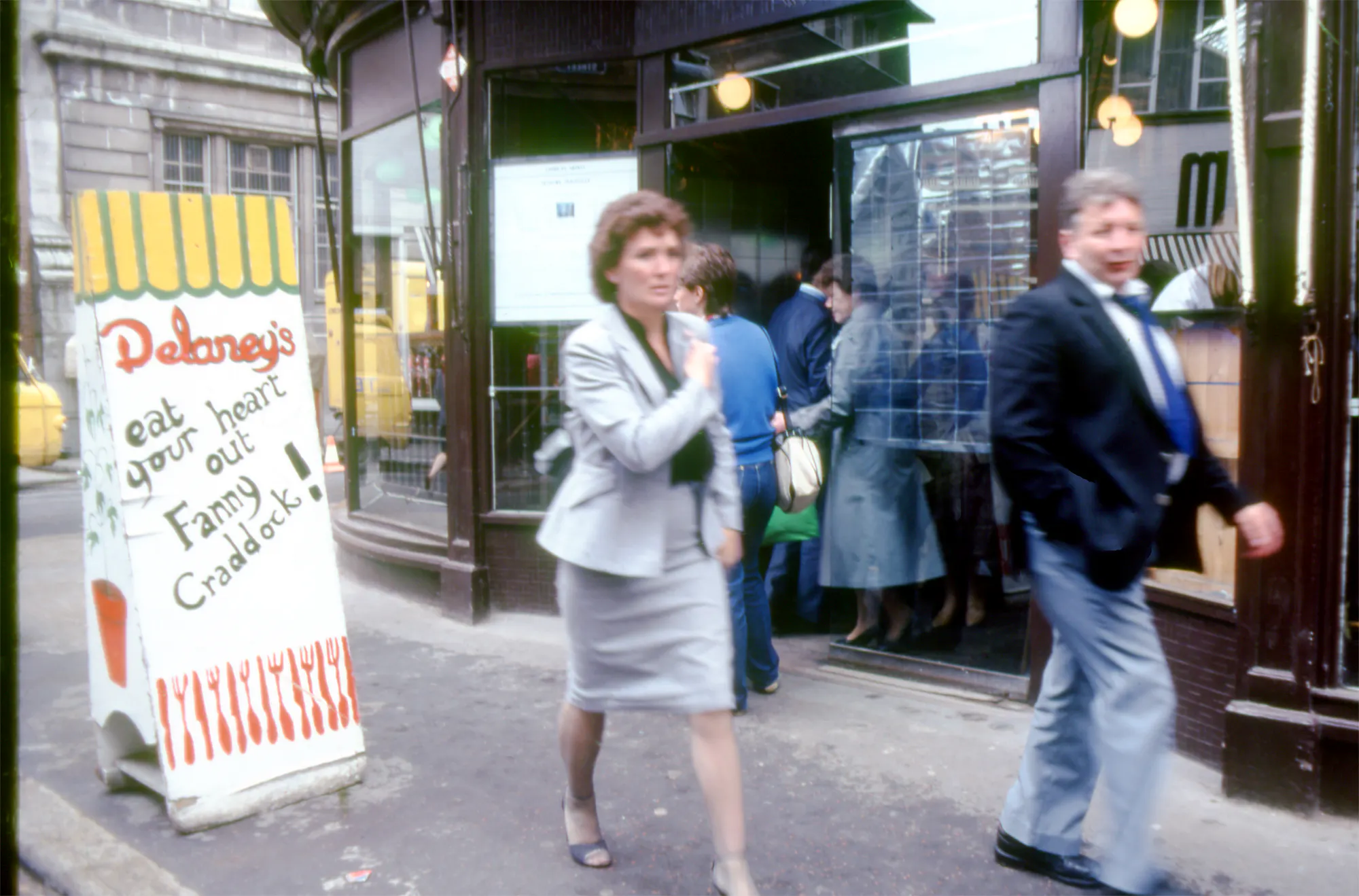
Image: John Carson, American Medley, 1981–86. Exterior of Delaney’s American Style Diner, Belfast in early 1980s, featuring American Medley on exhibit in the restaurant window. Fanny Craddock was a restaurant critic and TV chef, famed for popularising both pizza and the Prawn Cocktail to the UK.
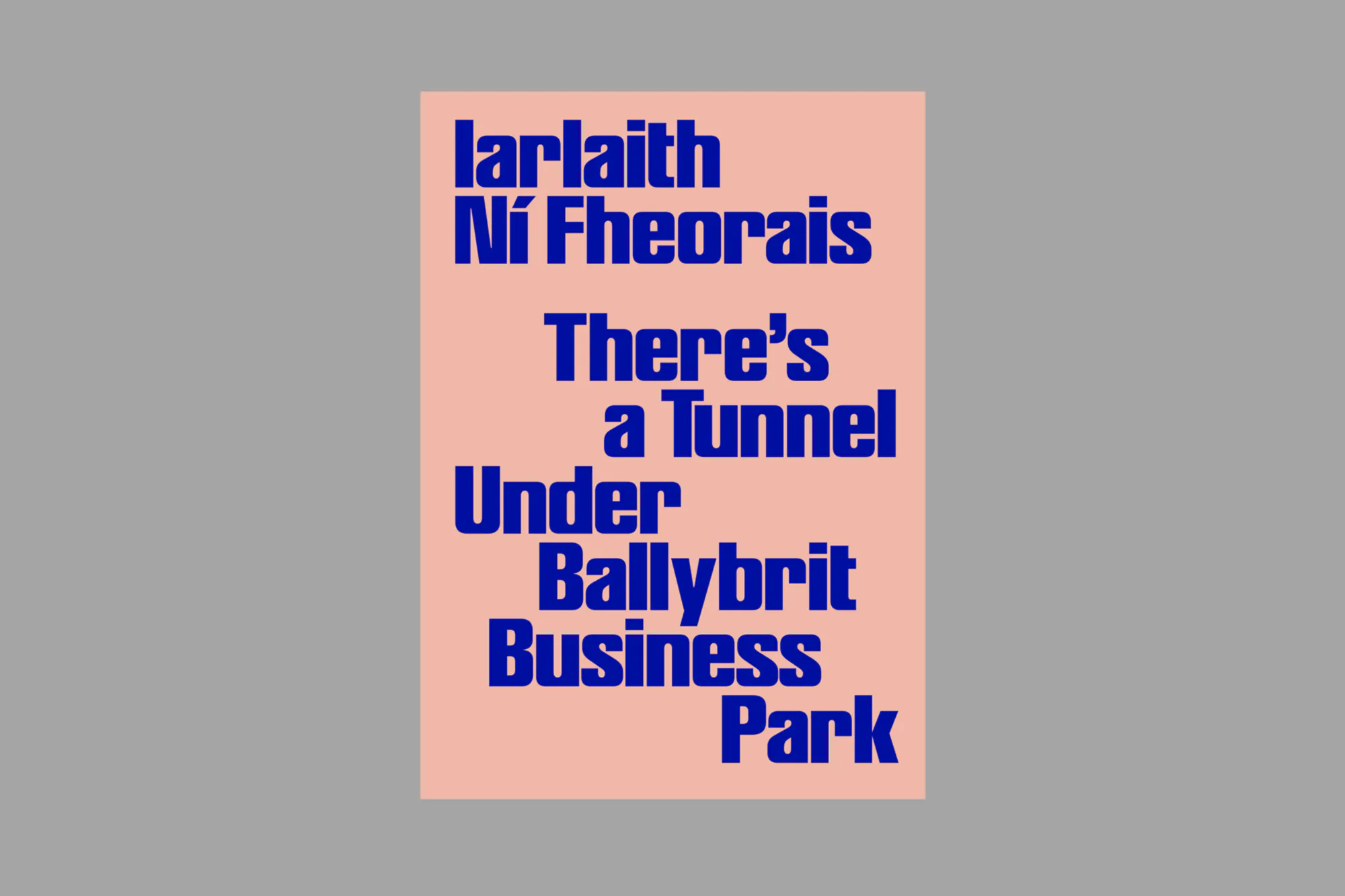
Iarlaith Ní Fheorais’ There’s a Tunnel Under Ballybrit Business Park
As part of her ongoing research in disability, health and medicine, Iarlaith Ní Fheorais’ new publication There’s a Tunnel Under Ballybrit Business Park critiques the continuing rise of Ireland as a key location for the global medical technology industry. Generously assisted by the Irish state’s financial support and industrial policies, MedTech has grown rapidly to become a dominant economic force, with factories producing millions of advanced medical instruments, devices and equipment for export each year.
Yet, as multinational corporation revenues soar, state bodies tightly regulate access to publicly-funded healthcare. Ní Fheorais investigates the land-use techniques, landscape aesthetics and architecture of MedTech as an inheritance of the colonial regime of the British Empire and dogma of the Catholic Church that create these conditions. Through her account of the barriers encountered in accessing prosthetic care, it becomes evident that infrastructure plays a crucial role in shaping the politics of healthcare, and how access to medical technologies is managed.
There’s a Tunnel Under Ballybrit Business Park is published as part of access: practices and habits, a collaborative artistic research programme involving Askeaton Contemporary Arts in Limerick, If I Can’t Dance, I Don’t Want To Be Part Of Your Revolution in Amsterdam and Bulegoa z/b in Bilbao unfolding throughout 2026.
Order here
LAUNCHES:
Peer Gallery
97–99 Hoxton Street, London N1 6QL
Wednesday 18 November 2026
7–9pm
Book here
Temple Bar Gallery and Studios
5–9 Temple Bar, Dublin
Saturday 5 December 2026
2–4pm
Iarlaith Ní Fheorais in conversation with Valerie Murphy, healthcare activist and founder of Valerie’s Breast Care, and Professor Eilionóir Flynn, University College Galway.
Askeaton Library
Limerick
Wednesday 24 June
7pm
Iarliath Ní Fheorais in conversation with artist Josephine Sales and artist, writer and musician Rouzbeh Shadpey.
LAB111
Arie Biemondstraat 111
Amsterdam
Sunday 7 June
1–3pm
See https://ificantdance.org

Seanie Barron at No Place Gallery, Columbus, Ohio
For decades, Seanie Barron has carved and shaped wood in a workshop at the rear of his house in Askeaton. His creations, made with simple handtools and an intuitive approach, are borne out of his understanding of nature and the environment around him. He roams around the countryside looking for the right branch in a tree or underneath a bush to then shape into a walking stick. These often take on surreal forms, such as seahorses, dancers, Hollywood films, soccer’s World Cup trophy, Greek myth and wasps, all of which seem to emerge organically and effortlessly from the wood.
After featuring in his first exhibition a decade ago in Askeaton, his work has since been seen in galleries and museums in London, Chicago, Dublin, Paris and Helsinki. He often tours around Ireland, enthralling audiences with stories related to his art and life. At a packed village hall on Inisbofin island on the Atlantic coast he once explained his philosophy on keeping active, claiming that ‘there are two things that can kill you in this life: the electric chair, and the armchair!’
A new collection of sticks and sculptures are presented at No Place Gallery, Columbus, Ohio from 16 October, organised in partnership with Good Weather Gallery, Chicago.
Download David Beattie’s Remnants app
Download for Android devices: https://play.google.com/store/apps/details?id=com.mtjm.Remnants
Download for Apple devices: https://apps.apple.com/ie/app/remnants-askeaton/id6760401209
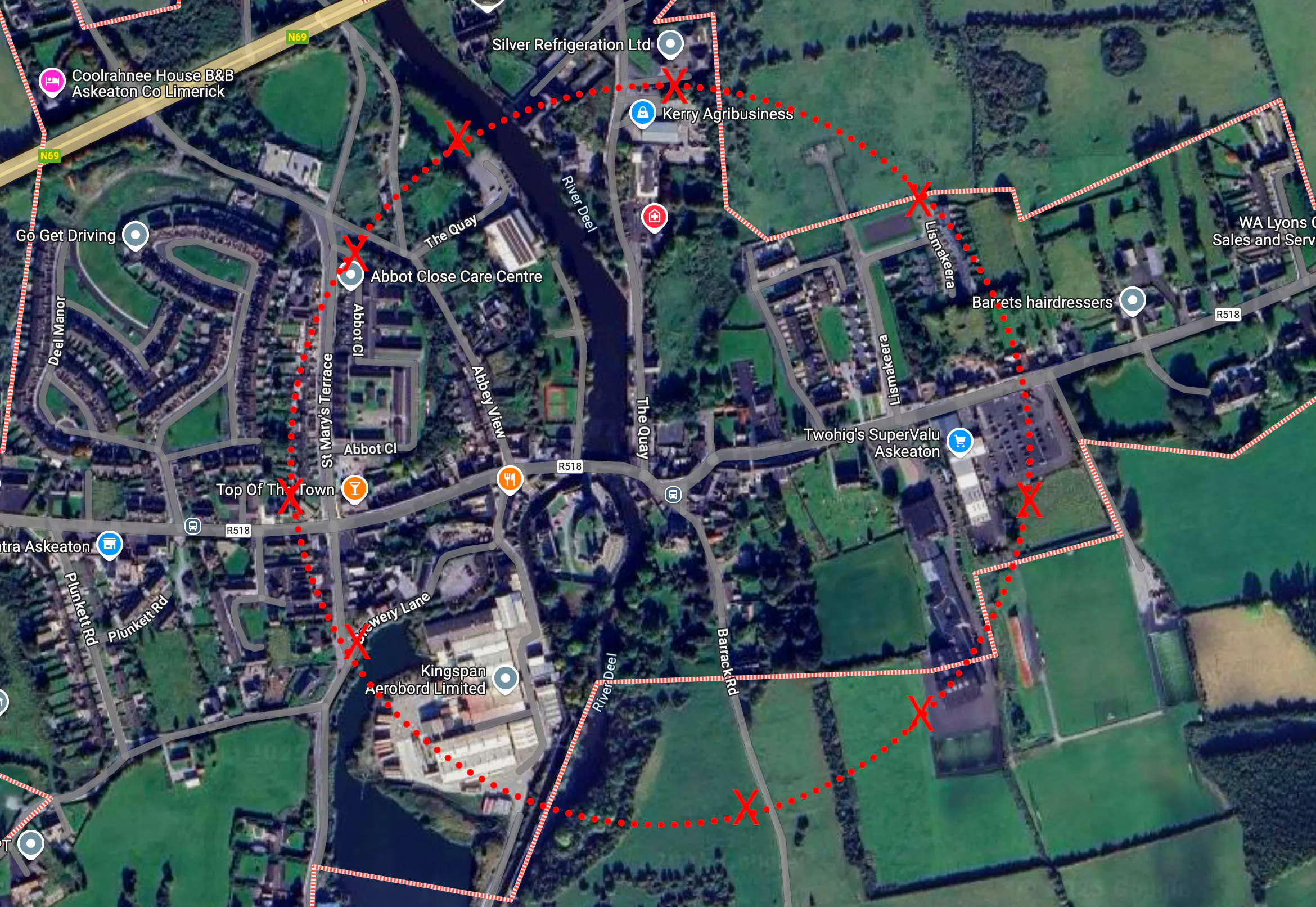
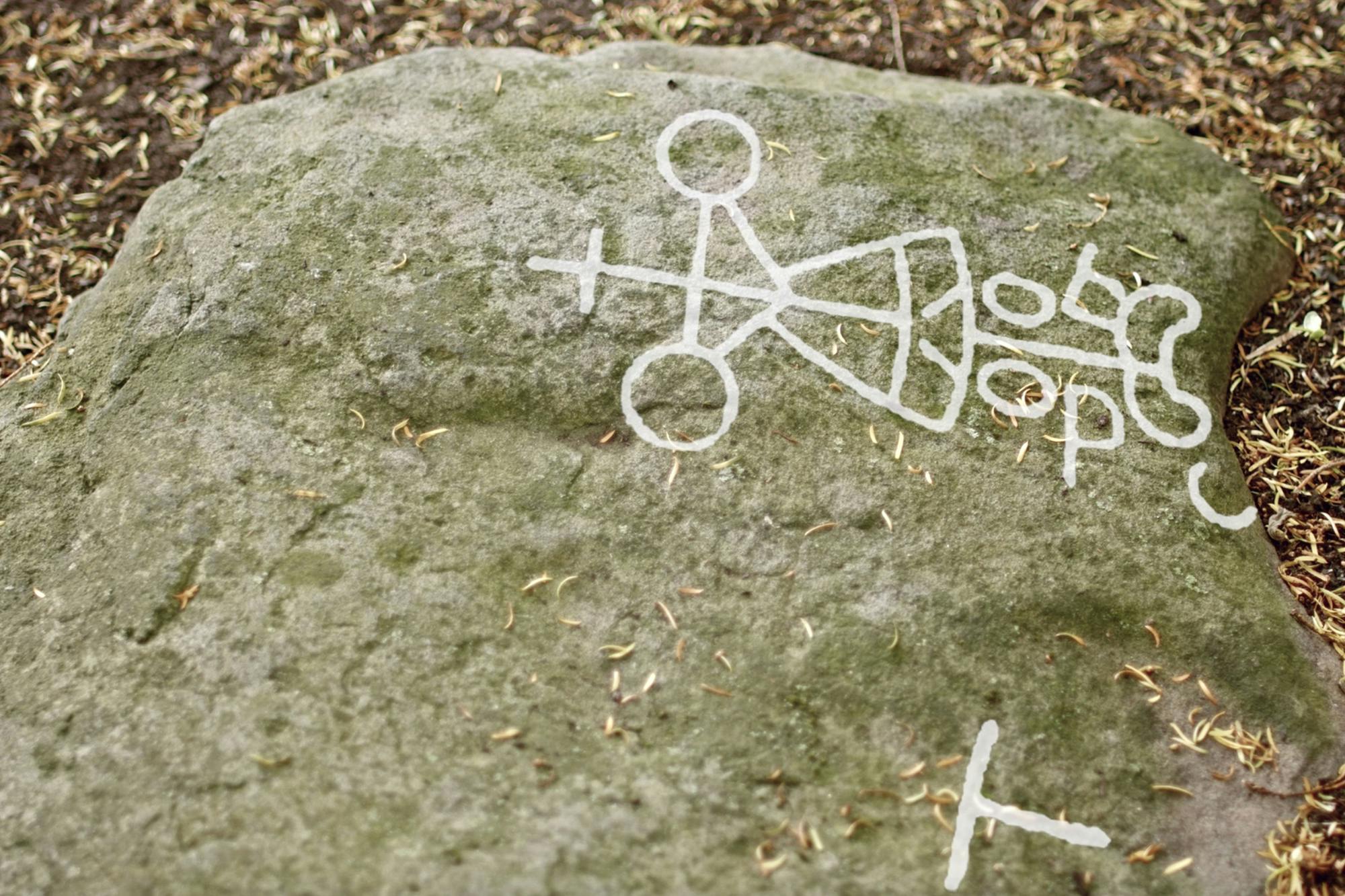
David Beattie’s Remnants delves deep into mythology, folklore and oral history in the age of digital reproduction. Over the last four years, Beattie conducted extensive fieldwork around sites of ancient ritual such as nearby Grange stone circle and has learned to carve stone, finding inspiration for a new piece of land art shaped by the life of Askeaton’s inhabitants. Representations of prized possessions of the community of Askeaton appear in real life and as virtual forms, as Remnants reimagines Askeaton itself as the centre of a new solar alignment, encouraging citizen participation to seek out new stone and Augmented Reality monuments positioned in a giant circle surrounding the town. Placed in particular public locations, each encounter offers moments of midsummer evening reflection.
Follow the instructions on the new Remnants app or on printed material locally to discover each place, and follow the trail and complete the circle! Remnants continues throughout 2026 in Askeaton, and forms part of Ireland’s Presidency of the Council of the European Union.
WELCOME TO THE NEIGHBOURHOOD 2026
Download the programme here.
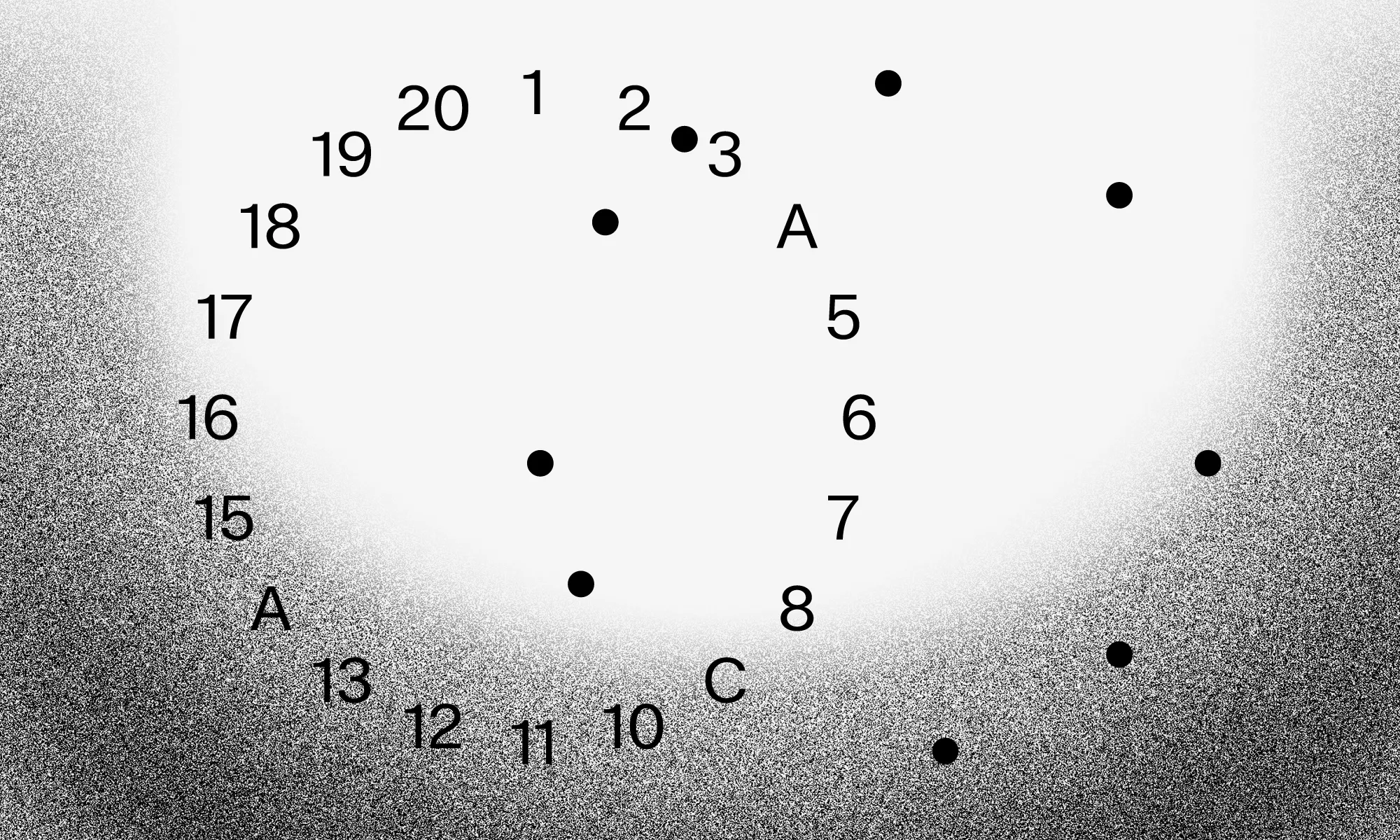
ASKEATON CONTEMPORARY ARTS invites you to WELCOME TO THE NEIGHBOURHOOD, curated by MICHELE HORRIGAN. Our annual artist residency programme and festival situates Irish and international artists in the midst of Askeaton each summer, discovering new potentials of creative energy, the making of place and innovative ecological thinking. Throughout 2026, Askeaton Contemporary Arts celebrates its twentieth anniversary, with exhibition and events in Askeaton and as far afield as Chicago, London and Dublin.
From our community hall to the River Deel, castle ruins, streets and surrounding countryside, WELCOME TO THE NEIGHBOURHOOD looks to the rich layers of Askeaton’s daily life as its inspiration. Since 2006, artists from around the world have been at the centre of the community investigating, uncovering and creating new understandings. Many artworks made here have been presented elsewhere in Ireland and abroad in exhibitions, art biennials and film festivals, upholding Askeaton’s reputation since medieval times as a place of exchange, trade and cultural knowledge.
This year, artists MAX GUY, DAVID BEATTIE and KATE O’SHEA work in County Limerick throughout June 2026. A programme of events accompany their stay, FREE and OPEN TO ALL, NO BOOKING REQUIRED, culminating with a special celebration on Saturday 27 June featuring new artistic encounters throughout Askeaton.
FROM THURSDAY, 18 JUNE
TUESDAY – FRIDAY, 10AM – 1PM, 2PM – 5PM
ASKEATON LIBRARY, EAST SQUARE V94X22H
NEUTRAL STATES
ALLAN HUGHES
Presented at Askeaton Library, ALLAN HUGHES’ Neutral States was made in 2011 as an exploration of the legacy of Second World War battlement infrastructure along the Shannon Estuary. Its presentation in Askeaton fifteen years later honours the involvement of Michael Foley, John Guinane and Michael D. Ryan, all of whom had volunteered in the Local Security Force and Local Defence Force in the 1940s. Hughes interviewed each at length on their memories of the time, and photographed many pillboxes, small concrete structures each man was stationed in. Each of their testimonies reveal the historic conditions, and the commitment and bravery of Askeaton’s community to the role of neutrality of the Irish state during ‘The Emergency’, a subject that continues as an active topic with the use of Askeaton’s airspace and nearby Shannon Airport for U.S. Military activity.
FRIDAY 19 JUNE 8PM
ASKEATON COMMUNITY HALL, THE QUAY, V94 EH9Y
AN EVENING WITH SEANIE BARRON
Join at Askeaton Community Hall for a one-night-only celebration of woodworking maestro SEANIE BARRON. Known throughout the world’s museums and galleries for his unique handcrafted walking sticks and sculptures, Barron has carved and shaped wood for decades in a workshop at the rear of his house in Askeaton. His creations, made with simple handtools and an intuitive approach, grow from his understanding of nature and the environment around him. He roams around the countryside looking for the right branch in a tree or underneath a bush to then shape into walking sticks. These often take on surreal forms, resembling everything from weightlifters, crabs, Hollywood films and the Loch Ness monster, all of which seem to emerge organically and effortlessly from the wood. An accomplished storyteller, Barron often enthrals audiences with stories related to his art and life. Following his exhibitions in Paris and Chicago over the last year, this is a unique opportunity to meet the artist and see many of his recent internationally-acclaimed creations.
SATURDAY 20 JUNE, 4PM
STARTING AT THE OLD FORGE ON WILLIAM STREET AND TOURING THROUGHOUT ASKEATON
DAVID BEATTIE
REMNANTS
DAVID BEATTIE’S Remnants delves deep into mythology, folklore and oral history in the age of digital reproduction. Over the last four years, Beattie conducted extensive fieldwork around sites of ancient ritual such as nearby Grange stone circle and has learned to carve stone, finding inspiration for a new piece of land art shaped by the life of Askeaton’s inhabitants. Representations of prized possessions of the community of Askeaton appear in real life and as virtual forms, as Remnants reimagines Askeaton itself as the centre of a new solar alignment, encouraging citizen participation to seek out new stone and Augmented Reality monuments positioned in a giant circle surrounding the town. Placed in particular public locations, each encounter offers moments of midsummer evening reflection.
Remnants explores parallels between material culture and machine generated data, speculating about future knowledge and future archaeology in the digital age. Follow the instructions on the new Remnants app or on printed material locally to discover each place, and follow the trail and complete the circle! Remnants continues throughout 2026 in Askeaton, and forms part of Ireland’s Presidency of the Council of the European Union.
From 19 June download the Remnants app at www.askeatonarts.com
TUESDAY 23 JUNE 8PM
RADHARC AN CHAISLEÁIN, WEST SQUARE
THE AULD TOWN
Charting the changes of Askeaton’s streetscape over the decades, The Auld Town is a community-led walk to remember the past communities of Askeaton that shaped its daily life, humour and shared stories. Beginning at the town’s new park Radharc an Chaisleáin, join for an informative evening of conversation and joviality in one of Ireland’s oldest towns – legend has it Askeaton was founded by Gared, an ancient chieftain who had, in his earlier days, fought alongside Finn McCool and the Fianna.
WEDNESDAY 24 JUNE 7PM
ASKEATON LIBRARY, EAST SQUARE, V94X22H
IARLAITH NÍ FHEORAIS, VALERIE MURPHY AND EILIONÓIR FLYNN
HEALTH & INFRASTRUCTURE – DISCUSSION AND BOOK LAUNCH
Join for the inaugural conversation event and book launch at Askeaton’s new public library with writer IARLAITH NÍ FHEORAIS, Askeaton’s VALERIE MURPHY, healthcare activist and founder of Valerie’s Breast Care, and EILIONÓIR FLYNN, Director of the Centre for Disability Law and Policy, Professor at the School of Law and the Institute for Lifecourse and Society at University of Galway. The event is an opportunity to hear more about how we imagine healthcare for all can enhance our lives within Ireland’s social and economic affluence.
As part of her ongoing research into disability, health and medicine, Iarlaith Ní Fheorais’ new publication There’s a Tunnel Under Ballybrit Business Park explores Ireland as a key location for the global medical technology industry. Generously assisted by the Irish state’s financial support and industrial policies, MedTech produces millions of advanced medical instruments, devices and equipment for export each year. Yet, as multinational corporation revenues soar, state bodies tightly regulate access to publicly-funded healthcare. In her new book published by Askeaton Contemporary Arts, Iarlaith investigates the infrastructure and barriers encountered in Irish healthcare, asking for a new way of democratic thinking to occur.
THURSDAY 25 JUNE 8PM
ASKEATON COMMUNITY HALL, THE QUAY, V94 EH9Y
TOM CASSIDY
THE FORGOTTEN DEFENDERS – PILLBOXES OF THE SHANNON ESTUARY
Join TOM CASSIDY of Fola Archaeology and Heritage Services for an illustrated talk on the life and history of the Second World War in West Limerick. For many years, Tom has researched pillboxes in the Askeaton hinterland, each small defence structures made from mass concrete that, unusually, are found throughout the area. Pillboxes were built in the 1940s as guard posts, allowing Irish soldiers to watch over strategic positions and important infrastructure in the event of military invasion on the Shannon Estuary. Tom was responsible for placing noteworthy examples in Askeaton on Ireland's Record of Protected Structures during his time as Conservation Officer for Limerick City and County Council. Today, as the Foynes-to-Limerick road construction continues its way around Askeaton, more examples have been found, overgrown by ditches and receding back into the landscape. In light of current debates about Ireland’s neutrality, these structures remain as a poignant reminder of the threat and pervasiveness of war today. The Forgotten Defenders – Pilllboxes of the Shannon Estuary is presented in association with Transport Infrastructure Ireland and Archaeological Management Solutions.
SATURDAY 27 JUNE 3PM
ASKEATON COMMUNITY HALL, THE QUAY, V94 EH9Y
WELCOME TO THE NEIGHBOURHOOD OPEN DAY
Our annual OPEN DAY celebrates the work of 2026’s artists-in-residence and our wider community who contribute to cultural life in Askeaton. A reception at Askeaton Community Hall will be followed by a guided tour.
MAX GUY travels to live and work in Askeaton thanks to a new artist residency exchange programme with HYDE PARK ART CENTER in Chicago. In a multitude of artistic ways, he compares the real and the fake, questions everyday behaviour and existential quandaries, and highlights both our shared humour and harsh political realities. With a broad and always curious interest in tourism, anthropology and theatre, his time in Askeaton asks how we relate to the world around us, and where can we find ways of experiencing it anew? KATE O’SHEA is a socially-engaged artist whose DIY ethos spans printmaking, the creation of archiving, large-scale installations, performance, and publishing. Her art is known for a long-term commitment to the power of storytelling and community engagement, creating meeting places for what our shared political imagination and strength of solidary can be.
Meet DAVID BEATTIE, ALLAN HUGHES, ANNE CLEARY and DENNIS CONNOLLY, and we introduce new long-term artist-in-residence RÓNÁN Ó RAGHALLAIGH, whose art considers the role of folklore, land and language across vast expanses of time and place. Creating a dialogue between ancient and contemporary culture, Rónán’s paintings, writing and performance art ask how to befriend ecologies, myth and communal healing in the face of commodification, conflict and climate crisis.
THROUGHOUT JUNE
ASKEATON COMMUNITY HALL, THE QUAY, V94 EH9Y
SCHOOL OF LOOKING AND DÓCHAS MIDWEST AUTISM SUPPORT
SPRING FLOWERS
As part of an ongoing creative partnership, members of DÓCHAS MIDWEST AUTISM SUPPORT and artists ANNE CLEARY and DENIS CONNOLLY of Paris-based SCHOOL OF LOOKING present Spring Flowers, an exhibition exploring the natural beauty and heritage of Askeaton and the banks of the Deel River. Earlier this year, the artists and the young Dóchas team gathered and press dried samples of gorgeous spring blossoms, creating new artworks on paper, and light and sound installations that celebrate the rich biodiversity of West Limerick. Spring Flowers is further supported by Cruinniú na nÓg.
ONLINE
ONLY IN ASKEATON is an online media channel at Askeaton Contemporary Arts website. Watch videos on local heritage and the future of county Limerick such as MICHAEL HOLLY’S Ardshanbally. Follow SEANIE BARRON around Askeaton’s hinterland as he shapes his unique wooden creations. Delve into Askeaton’s medieval Franciscan Friary, or go behind-the-scenes to see how our artists form innovative and meaning relationships, offering new viewpoints and ideas to how we can live in an enriching land.
PUBLICATIONS
Over the last ten years, our publication imprint ACA PUBLIC has explored topics of environmentalism and art, and the many ways that culture and ecology intertwine to create new understandings of our contemporary world. See our website for more details and information on previous and current releases.
IARLAITH NÍ FHEORAIS’ There’s a Tunnel Under Ballybrit Business Park considers the history and infrastructure of healthcare in Ireland and is now available, published as part of access: practices and habits, a collaborative Creative Europe artistic research programme involving Askeaton Contemporary Arts in Limerick, If I Can’t Dance, I Don’t Want To Be Part Of Your Revolution in Amsterdam and Bulegoa z/b in Bilbao.
In A Waulking Set: Mediations On The Fabric of Life, an emerging generation of artists - TARA BAOTH MOONEY, MICE HELL and EMILY WASZAK with Niamh Moriarty - consider the medium of textiles as a channel for gathering community and comradery, and the precariousness of human life. Collectively, they propose sharing meditative processes of making, and making-do.
FURTHER AFIELD
Askeaton Contemporary Arts recommends KATE O’SHEA’S Mycelium, a new solo exhibition at VISUAL Centre for Contemporary Art, Carlow ongoing until 30 August. NIAMH SCHMIDTKE features in the environmental exhibition The Rain Tells Us Everything at the Regional Culture Centre, Letterkenny from 11 July – 19 September. Mark in your diary Askeaton Contemporary Arts’ associate JOHN CARSON’S exhibition of new artworks investigating the social and musical histories of Ireland’s border counties and post-conflict geographies of Northern Ireland, at the Golden Thread Gallery in Belfast from September 2026.
SOCIAL MEDIA
Follow the Welcome to the Neighbourhood programme, with a social media response by ANDY DOWNES (@handmedownes) showcasing his interest in local history, myth and Askeaton’s built heritage throughout June.
FACEBOOK askeatoncontemporary
INSTAGRAM @askeatoncontemporary
ACCESS
Askeaton Community Hall and Askeaton Library are wheelchair accessible with dedicated wheelchair parking and accessible toilets. As a medieval town, Askeaton’s streets, footpaths and bridges are still on occasion uneven terrain, yet wheelchair access and routes can be facilitated. Open captioning is available at events by request, and we will make every effort to provide any access request for our programme. To further discuss please contact Askeaton Contemporary Arts.
EAT AND DRINK
Cagney’s Bar, East Square
Top of the Town Bar and Pour94 Coffee, Main Street
RECREATION
Askeaton Swimming Pool
Curraghchase Forest Park
ACCOMMODATION
Coolrahnee House (reservations 061 398883)
Whitethorn BnB (reservations 087 2204483)
VISITING ASKEATON
Car: 25 minutes from Limerick City on N69
Bus Éireann: route 314 from Limerick City. Everyday with a regular service
Air: 40 minutes from Shannon Airport
EV charger operates at Askeaton Community Hall, V94 EH9Y
FURTHER INFORMATION
087 3293678
askeatonarts@yahoo.ie
SPONSORS
Arts Council, Limerick City and County Council, Askeaton Ballysteen Community Council, Creative Europe, Hyde Park Art Center, Supervalu, Credit Union
Michael Holly’s new video Ardshanbally
Artist Michael Holly continues his ONLY IN ASKEATON series of films in the West Limerick landscape, to investigate and offer new viewpoints and ideas to how we live in an enriching land.
His fieldwork in the region’s infrastructure takes a broad scope, from a proposed fracked gas terminal on the Shannon Estuary to the medieval Ardshanbally broach-pin, unearthed during excavation works for a new motorway underway. Probing the complex reasons for these scenarios – from Adare’s affluent billions, Ryder Cup golf, and a new age of industrialisation – he muses on intersecting politics of commerce, heritage and ecology. Ardshanbally is realised in collaboration with Tony Lowes, writer, activist and founder of Friends of the Irish Environment.
Watch here